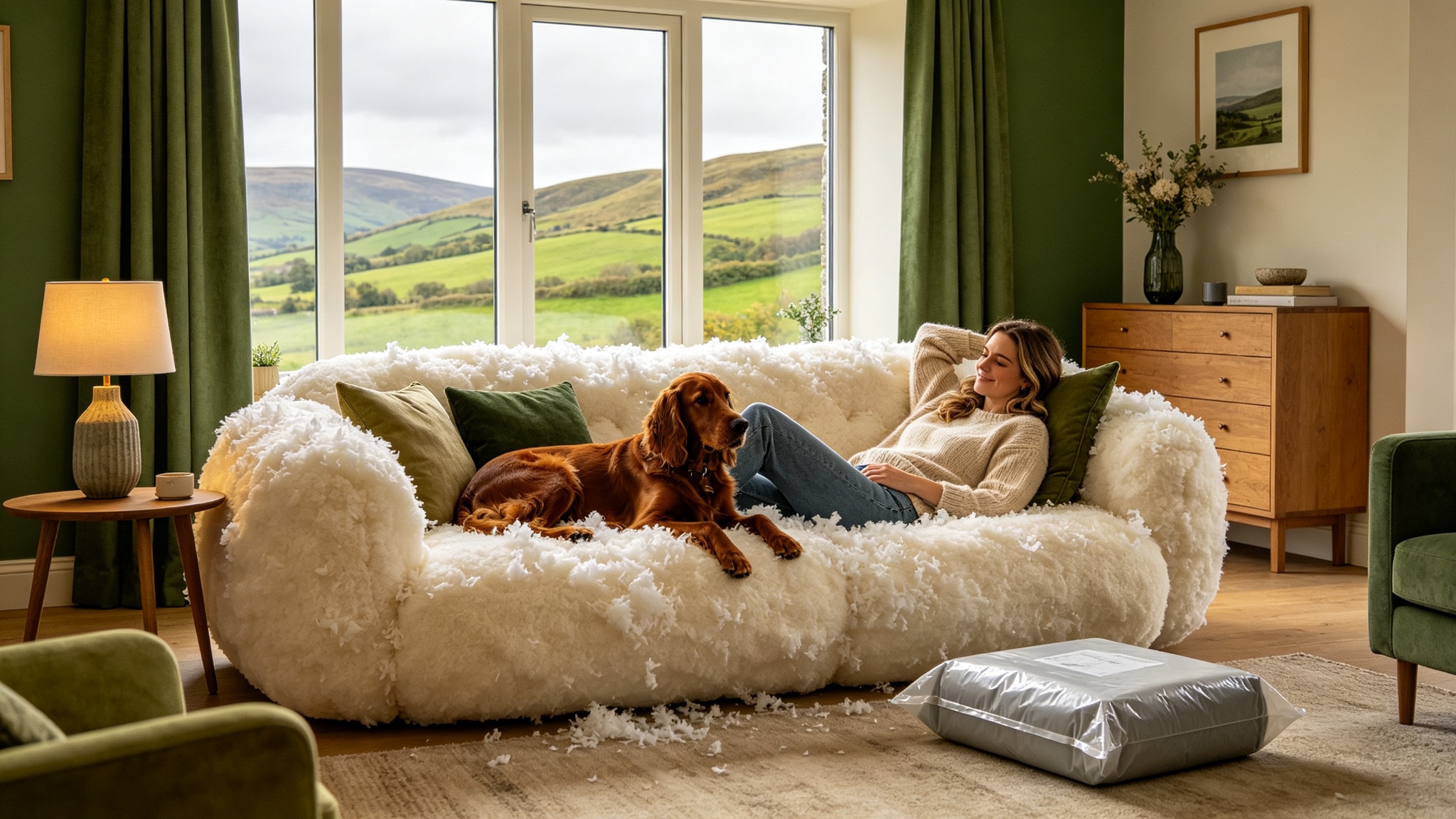
Why Pet Beds Lose Shape After Just a Few Months: The Hidden Factors Most Buyers Overlook.

Why Pet Beds Lose Shape After Just a Few Months: The Hidden Factors Most Buyers Overlook
One of the most common complaints in the pet bed industry is surprisingly simple: "The pet bed looked great when it arrived, but after a few months, it lost its shape."
For retailers, distributors, and private-label brands, this problem often leads to: negative customer reviews, increased return rates, warranty claims, and reduced repeat purchases.
But why do some pet beds maintain their comfort and shape for years while others flatten within months? After more than 17 years of manufacturing pet beds and soft seating products, we've found that the answer is usually hidden inside the product.
This article is part of our ongoing Pet Bed Manufacturing Guide.
The Problem is Usually Not the Fabric
When consumers shop for a pet bed, they often focus on visible features: fabric, color, design, and size. However, these are rarely the reason a pet bed loses its shape. In most cases, the real cause is the filling material and construction inside. A beautiful cover cannot compensate for poor internal support.
For more insights into pet bed materials and construction, feel free to explore our Pet Bed Guide.
Filling Material Makes a Huge Difference
Two pet beds may look identical on the outside, yet perform completely differently after six months of use.
Common filling materials include:
Polyester Fiberfill: Popular because it is lightweight and cost-effective. However, lower-quality fiberfill tends to compress over time, especially in beds used by medium and large dogs.
Shredded Foam: Provides better support and improved recovery performance. When properly selected and processed, shredded foam helps pet beds maintain their shape for longer periods.
Memory Foam: Often used in orthopedic pet beds, offering superior support and pressure relief for older or active dogs.
Beyond filling materials, construction techniques — such as baffle-box stitching, zippered compartments, and high-density foam cores — also play a key role in extending product lifespan.
At WELLING, we apply our 17+ years of manufacturing experience to develop pet beds that prioritize durability, shape retention, and long-term comfort. By carefully selecting filling materials and refining internal construction, we help our partners reduce returns and build stronger customer trust.
To learn more about our full product range and manufacturing expertise, visit our Pet Bed Guide.
Related Guides:
→ [Pet Bed Guide]
→ [Sofa in a Box Guide]
→ [Bean Bag Guide]
Top Pet Bed Trends in 2026 – Insights from Zhejiang Welling
Urban Living Trends Drive Demand for Compact Pet Furniture
Related Article

## 正文全文