Why More Furniture Brands Source from China – A B2B Supply Chain Guide

Why More Furniture Brands Are Sourcing from China – A Supply Chain Perspective
For years, the story of furniture sourcing has been written in two places: the design studios of Milan and the workshop floors of Guangdong. Today, that story has chapters in Jiangxi, Zhejiang, and beyond. Global furniture brands aren't just "buying from China" anymore — they're building partnerships with a manufacturing ecosystem that has quietly become essential to the industry.
Here's why that shift is happening, and what B2B buyers should understand about it.
Take compressed sofas as an example. What used to require freight appointments and white‑glove delivery can now ship via FedEx in a box small enough to fit through a standard door. This isn't theoretical — it's what we've been doing at Zhejiang Welling for over 17 years, supplying retailers like Walmart and Costco from our factory in Tongxiang.
👉 This article is part of our Sofa in a Box Guide series, where we cover everything from manufacturing capabilities to sourcing strategies.
1. The Price-to-Quality Balance Is Hard to Beat
The most straightforward reason is still the most powerful: cost advantage. Chinese manufacturers can produce furniture with quality comparable to Western brands at a fraction of the price. The same product that would cost 10 times more in Europe can be sourced directly from factories in Foshan.
An example from 2025: two British families visited Foshan and spent over €217,000 on furniture — because they found comparable quality at roughly one-tenth the price they'd pay at home. The price gap isn't shrinking; it's widening as production efficiency improves.
But cost alone doesn't explain the full picture.
2. Complete Supply Chains – Everything in One Place
China's furniture industry isn't scattered — it's concentrated in specialized clusters. In Guangdong's Pearl River Delta, every component you need — fabric, leather, foam, hardware, marble, finishing materials — is available within a 20-kilometer radius. This vertical integration means shorter lead times, easier quality control, and far less logistical friction.
Foshan alone is home to roughly 6,700 hardware manufacturers, and the combined showroom space in the area exceeds 3 million square meters — about the size of 420 football fields. When people say "if you can't find it in Foshan, you won't find it elsewhere," they're not exaggerating.
3. Modular Production – Low MOQs, Fast Turnaround
One of the most significant shifts in recent years is how Chinese factories have adapted to buyer needs. Rather than forcing high minimum order quantities, many suppliers now support small-batch trial orders — sometimes as low as 20 units — to help brands test new markets.
The flexibility is built into the production model. A factory in Foshan, for example, can keep standardized sofa frames and spring hardware in stock, then only cut and upholster bespoke fabrics when orders come in. This "Assemble-to-Order" approach allows for quick customization without sacrificing efficiency.
For Amazon sellers and cross-border e-commerce brands, this flexibility has been transformative. Once a product gains traction, the same factory can scale up and ship full 40HQ containers within 21 days.
👉 For a complete overview of compressed furniture sourcing, see our Sofa in a Box Guide.
4. Flexible Logistics – From Sea Freight to Express Delivery
In recent years, Chinese furniture exporters have gained more logistics options — from established sea freight routes to faster rail networks. For buyers, this means greater flexibility in balancing cost and delivery speed. A 40HQ container by sea from Shanghai to Rotterdam takes about 30–35 days, while rail offers a faster alternative for time-sensitive orders. This range of options makes it easier for brands to plan their inventory and supply chains.
5. Product Quality That Matches International Standards
The perception that "Made in China" means lower quality no longer holds true — and the data backs this up. Brands like Timothy Oulton, Hilton, and Marriott all source furniture from Chinese factories. Marriott operates over 8,000 hotels across 139 countries — and much of their furniture comes through China's supply chain.
High-end European brands including Minotti, B&B Italia, and Fendi Casa also have part of their production in China — even if they don't always highlight it.
Quality isn't just about materials; it's about consistency. Suppliers in major manufacturing hubs now hold certifications for formaldehyde emissions (E1/E0), fire safety (CAL 117, BS 5852), and environmental compliance, making it easier for brands to meet EU and U.S. regulatory requirements.
6. Customization Is No Longer a Barrier
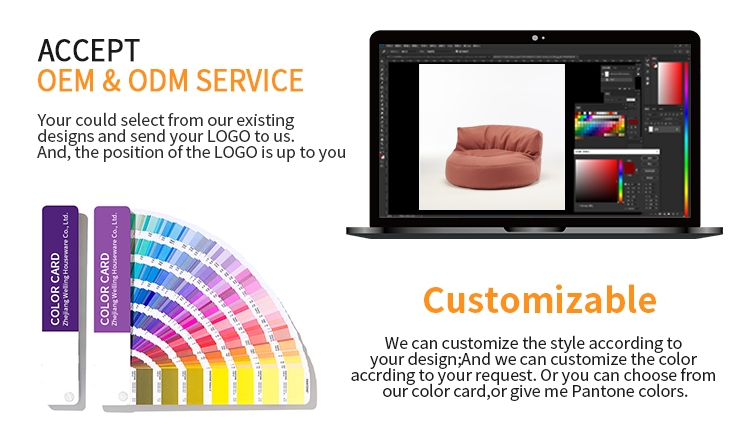
Brands that want unique designs no longer need to compromise. Top-tier Chinese manufacturers offer end-to-end configurability — fabric selection, foam density, dimensions, color matching, and even logo integration. What used to require months of back-and-forth can now be coordinated through design portals with 3D renderings and sample iterations in under two weeks.
📹 Watch our factory tour: [LinkedIn video link here]
Summary
| Reason | Why It Matters for Buyers |
|---|---|
| Cost advantage | 10x price difference vs. Europe for comparable quality |
| Cluster supply chains | All components within 20 km — faster, simpler sourcing |
| Low MOQs | Test new markets with as few as 20 units |
| Fast freight | Europe in 20 days via rail, not 60 days |
| Quality standards | Matches EU/US regulatory requirements |
| Customization | Designs, fabrics, colors, branding — all configurable |
What Buyers Should Look For
When sourcing from China, the most successful brands focus on:
-
Factory vetting — Verify ISO, FSC, or CARB certifications directly, not through third-party claims
-
Recovery testing — For compressed furniture, ensure >95% shape recovery within 48 hours
-
Batch test reports — Documentation proves consistency, especially for foam density and fabric durability
-
Local QC presence — Having someone on the ground reduces risk and ensures what's agreed at sampling matches what arrives in the container
The Bigger Picture
The shift is not just about cost. Chinese furniture manufacturing has evolved from "volume producer" to "strategic partner." The ability to offer flexible MOQs, fast customization, modular production, and rail-based logistics makes sourcing from China less about chasing lower costs and more about building supply chains that are responsive, scalable, and reliable.
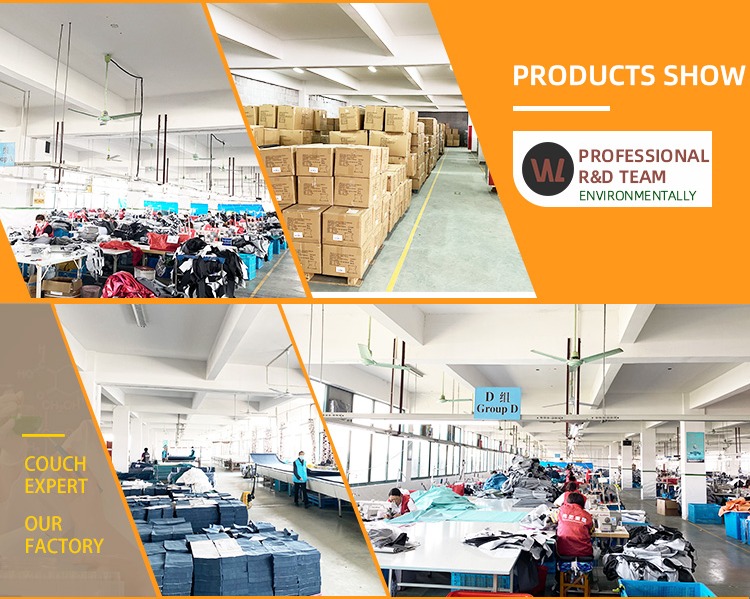
At Zhejiang Welling, we've been part of this evolution for over 17 years — producing compressed sofas, foam bean bags, and upholstered seating from our factory in Tongxiang, with batch-level testing and BSCI/ISO 9001 certification.
📹 Watch our production process: [LinkedIn video link here ]
Related Guides:
→ Foam filled bean bag Guide
→ Bean Bag Guide
→ Sofa in a Box Guide
→ Pet Bed Guide
Zhejiang Welling – Ready to learn more about sourcing from China? Contact us for factory insights and product specifications. (Or email us directly: james@tptex.com)
Note: Company information above is compiled from industry knowledge for illustrative purposes.
#FurnitureSourcing #ChinaManufacturing #SupplyChain #SofaInABox #ZhejiangWelling #B2BSourcing
Adaptive Dynamic Support Technology: The Future of Ergonomic Comfort Products
Customization Becomes a Key Competitive Advantage at Furniture Fairs
Related Article